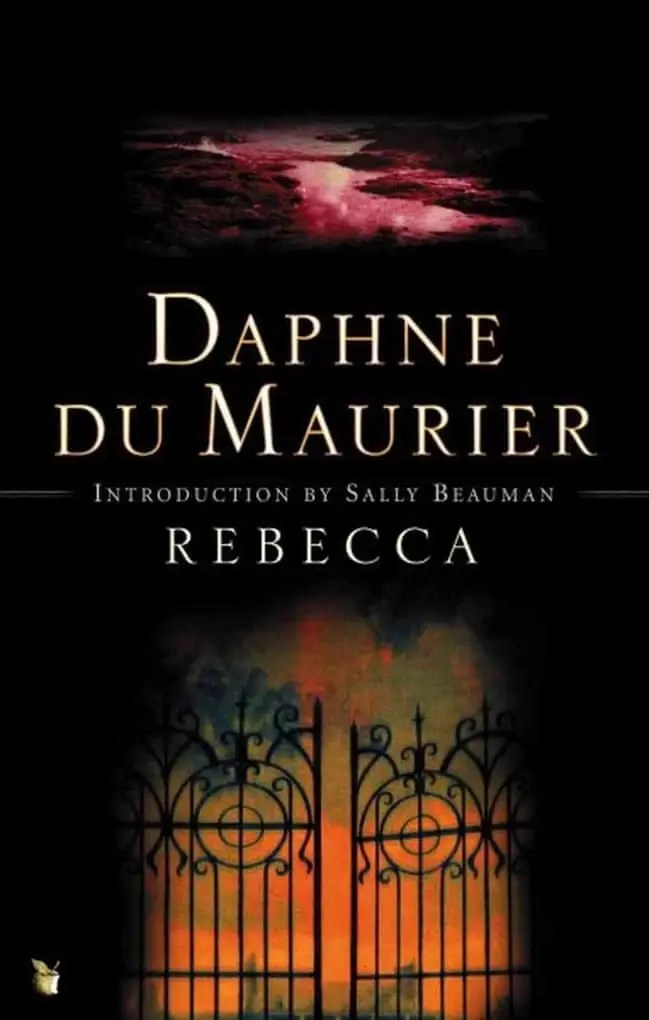

“Last Night I Dreamt I Went to Manderley Again” — Why Rebecca Still Haunts
There are first lines that open the book — and then there are first lines that open a door inside you.
Daphne du Maurier’s Rebecca begins with one of the most quietly unforgettable phrases in literature:
“Last night I dreamt I went to Manderley again.”
And with those nine words, I wasn’t just reading a novel. I was already inside it — or maybe, it was already inside me.
This isn’t a sentence. It’s a spell. A memory. A haunting.
It tells us that Manderley is no longer there — at least not in the real world. It exists now only in dreams, in echoes. But still, it calls. The narrator doesn’t willfully return to Manderley. She dreams of it. It pulls her back.
That’s how the novel begins — and that’s also how trauma, longing, and identity loss work. We return to the places that shaped us, even if they hurt. Even if they’re gone. Especially when they’re gone.
The Ghosts We Carry: Rebecca, Daphne, and the Women We Hide
By In Ivy & Ink
Rebecca is more than a gothic novel. It’s a psychological mirror, a haunting confession, and a quiet revolution stitched in shadows. When I read it — or rather, when I entered it — I didn’t just witness a story about a dead woman overshadowing the living. I walked alongside two women: Rebecca, bold and untouchable, and the narrator, silent and ghost-like. Both were seeking something they lacked. What began as a tale of mystery became something deeper: a meditation on identity, longing, and the hidden selves women are taught to suppress.
The Power of the Unnamed
The narrator has no name — and it’s not a mistake. Daphne du Maurier deliberately kept her faceless because she was faceless, shapeless, living in someone else’s world. She was always “Maxim’s wife,” never herself. Spoken to, spoken about, but never truly speaking.
She exists in contrast to the myth of Rebecca — who, though dead, lives vividly in memory, in whispers, in Manderley’s walls. But that imbalance is the very point. The narrator hasn’t yet earned her own story. Her journey is not about being the next Mrs. de Winter — it’s about becoming a self, one built from the ashes of fear, comparison, and silence.
Rebecca as Shadow Self
Rebecca doesn’t just haunt Manderley. She haunts the narrator’s psyche. She is everything the narrator is not: sensual, commanding, magnetic. She is confidence unbound, sexuality unashamed, willpower unbroken. And for most of the book, the narrator is imprisoned in that shadow — made small by the legend of a woman she never met.
But here’s the quiet truth: Rebecca isn’t just a rival. She’s a mirror. She represents the narrator’s shadow self — the wildness she’s never allowed herself to explore. The woman she could become, if she had the courage to step out of the role written for her.
Daphne’s Hidden Confession
This duality isn’t accidental. In watching Daphne du Maurier’s own documentary, it becomes clear: Rebecca and the narrator weren’t just characters. They were two sides of Daphne herself.
Daphne, in her life, often wrestled with that split. On one side, she was the obedient wife, the mother, the respected novelist. On the other, a secret part of her longed for freedom, passion, even rebellion. Letters and biographical fragments reveal glimpses of a “savage” Daphne — one that surfaced now and then, only to recede into silence. She didn’t destroy this side of herself. She just kept it caged. Rebecca gave it voice.
Rebecca, then, was the Daphne who could not be lived. The one who might have run away, but didn’t. The narrator was the one who stayed — the woman the world could accept. Together, they form the full self she never got to fully live.
Fire and Fusion
The novel’s end — the burning of Manderley — isn’t just destruction. It’s rebirth.
Manderley, with all its elegance and rot, was never truly a home. It was a tomb of secrets, appearances, and performance. When it burns, it takes with it Rebecca’s myth, Maxim’s guilt, and the narrator’s silence.
But something survives: truth. And with it, a new version of the narrator. One not defined by comparison, but by consciousness. She doesn’t become Rebecca — she becomes someone whole, someone fused. She has absorbed Rebecca’s fire, and still kept her soul intact.
The Echo Today
Why does Rebecca still resonate so deeply? Because the duality lives on. So many women still hide their fierceness, still live in roles they didn’t write, still feel like ghosts in rooms they built. The narrator’s ache to be loved, and Rebecca’s need to be free — these aren’t just literary archetypes. They are real lives playing out behind countless smiles and silences.
Du Maurier didn’t just write a gothic classic. She cracked open the hidden self — her own and ours. She told us that sometimes the ghosts we fear are the ones inside us… waiting to be heard.
And maybe, in walking through fire, we can finally stop hiding.
⭐⭐⭐⭐⭐
I gave Rebecca five stars. It’s gripping, atmospheric, and emotionally sharp. No filler. Just layered characters, secrets, and a slow-burning mystery that stays with you. Timeless and unforgettable. You can find the edition I read here on Amazon. This is not a paid review or sponsored link — just a personal recommendation for a book that left its mark on me.
 IN IVY & INK
Leave a comment